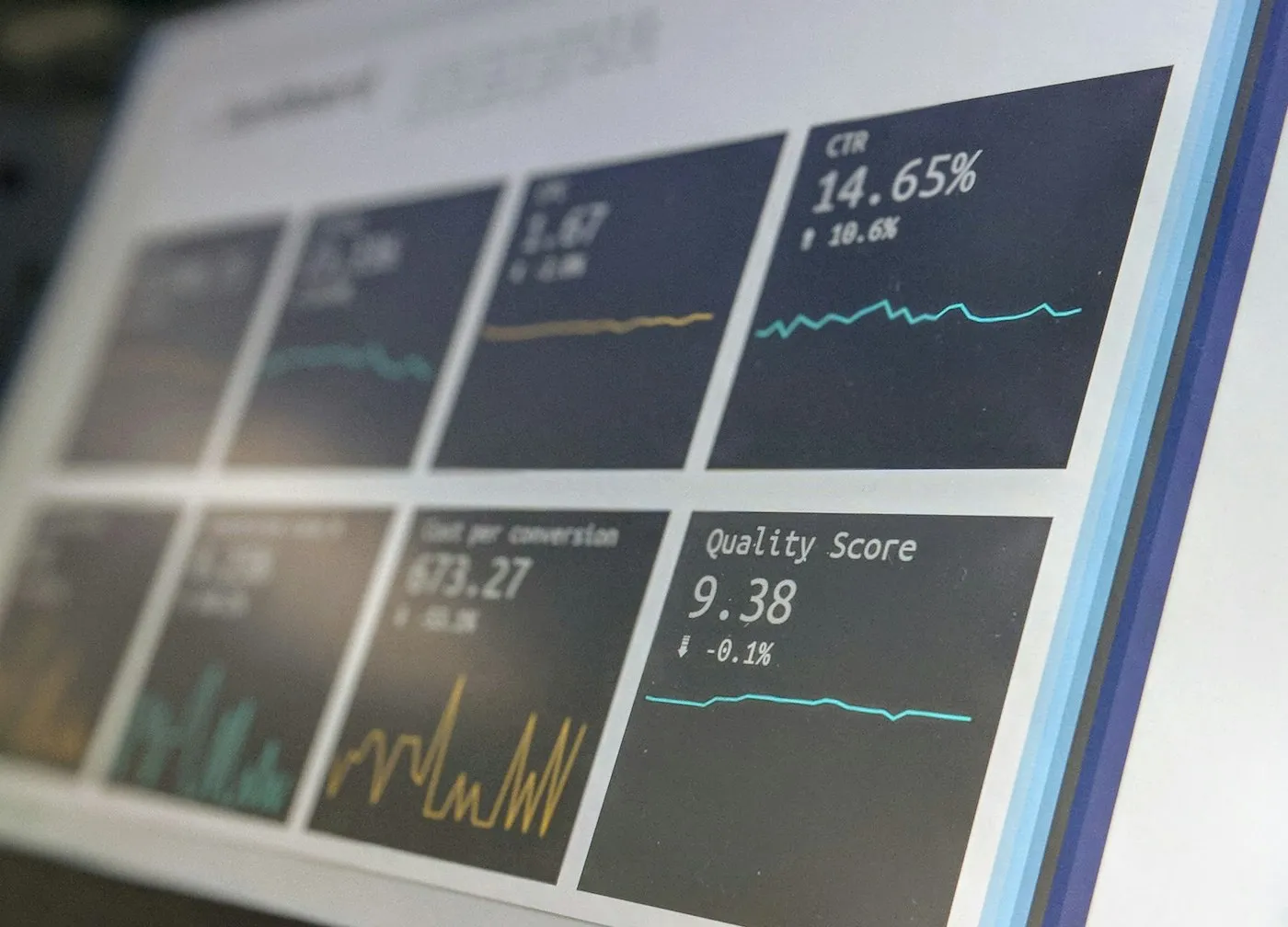

GEO citation tracking measures whether AI engines name your website as a source when they answer questions in your field. ChatGPT, Perplexity, Google's AI Overviews, Gemini, and Copilot all write answers by pulling from pages they trust, then listing the sources behind them. Citation tracking watches those answers over time and records whether you were one of the sources, which engine cited you, and for which questions. It is a running measurement rather than a single audit, because the answers change from day to day and from engine to engine.
Search used to be one surface. You typed a query, Google returned ten links, and you tracked your position among them. That surface still exists, but a second one now sits on top of it. A growing share of questions get answered by a model that reads the sources for you and hands back a paragraph. On that surface there is no position five. Either the model cited you or it did not.
What is GEO citation tracking?
GEO stands for generative engine optimization, the work of getting AI answer engines to trust your pages enough to quote them. Citation tracking is the measurement half of that work. Optimization without measurement is guessing, so before we change anything we record where a domain stands: which of its target questions already trigger an AI answer, and which of those answers already name the site.
The unit of measurement is a question, not a keyword. "Best schema for a dentist" is a keyword. "What schema should a dental clinic use" is closer to how someone actually prompts an assistant, and it is the phrasing an engine has to match. We track citation presence against those natural-language questions, one engine at a time, and log the result each week.
Why do AI citations matter?
When an assistant answers a question well, most people read the answer and stop. They do not scroll through ten links, so ranking eighth on a results page they never open is worth very little. Being the source the answer names is worth a great deal, because that is the placement the reader actually sees. For the wider pattern of which sources AI search actually cites, see our benchmark.
There is a second, slower payoff. Being cited by name builds recognition even when nobody clicks. A reader who sees your site quoted as the source three times in a week starts to treat it as the place that knows the topic. That brand effect tends to show up before the click volume does, which is one reason we track citations as their own number instead of folding them into traffic reports.
What does ConceptSEO track each week?
Every Monday, eight AI analyses run against each domain we manage. One of them is a dedicated GEO analysis, and citation tracking is the measurement it feeds. We check whether Google's AI Overview cites the site on its top searches every week, and which ChatGPT answers cite it every month, then compare this week's picture to last week's. Here is what a single run records.
| What we track | Why it matters |
|---|---|
| Citation presence, per question | Whether the answer named you at all. This is the pass or fail that a traffic report hides completely. |
| Which engine cited you | Coverage is uneven. A page ChatGPT quotes can be missing from Google's AI Overview, so each gets its own count. |
| The page and passage cited | Shows which URL and which wording earned the mention, so the next edit builds on what already works. |
| Movement week over week | A single week is noise. The trend across several weeks is the signal that a change worked. |
| Gaps against competitors | Questions where a rival is cited and you are not point straight at what to write next. |
The Monday scan is the reading. The work follows it. From Tuesday through Friday our team implements the fixes that scan surfaced, on the same site, and the next Monday's scan measures whether the number moved. That loop is the whole product.
What moves your citation count?
The levers are the same ones that decide any AI citation, and we broke them down in detail in how AI Overviews pick which sites to cite. In short, an engine has to be able to crawl the page, find a short passage that answers the question directly, and trust the facts in it. Clear structure, a direct answer near the top of each section, honest sourcing, and schema that tells the engine what the page is about all raise the odds.
The part people get wrong is timing. AI citations trail the underlying fixes by roughly four to six weeks. An engine has to re-crawl the page, and in several cases the model only refreshes its cited sources on its own schedule. So the honest way to read the number is as a trend, not a same-week reaction. If you ship a fix on Wednesday and check ChatGPT on Thursday, you have measured nothing. If the citation rate on a set of questions climbs over the following month, that is the fix landing.
How is citation tracking different from rank tracking?
Rank tracking answers one question: where does my page sit on Google's results for this keyword. Citation tracking answers a different one: did the AI name my page in its answer. They are not the same measurement, and they disagree more often than you would expect.
A page can rank eighth on the results page and still be the source an AI Overview quotes, because the model picks the passage that answers best, not the link that ranks highest. A page can also rank first and be ignored by every assistant, because its top position came from links and age while its actual wording buried the answer. If you only track rank, you cannot see either case. That blind spot is the reason citation tracking exists as a separate number. Tracking tells you where you stand; the work to get cited in AI search is what moves it, and the GEO ranking ledger records how much it moved across a live portfolio.
Citation tracking is one part of our GEO / AI-search service, which runs on the same weekly loop as the rest of our SEO work, at a flat $500 a month per domain that you can cancel any month. If you want to see what the measurement looks like on a real site, our writeup on how we got an independent guide cited in AI search walks through a domain we track this way from the first scan forward.